published on:
July 15, 2026
You’ve seen the term everywhere. Every second photographer’s Instagram bio says “documentary style.” So do half the ones offering something closer to a school photo line-up with better lighting.
The label gets used loosely, which makes it hard to know what you’re actually booking. This guide sets out what documentary wedding photography really means, how it differs from the more traditional, posed approach, and how to tell whether it’s the right fit for the way you want to remember your day.
What documentary wedding photography actually means
Documentary photography means exactly what it sounds like: your photographer documents what happens, rather than directing it.
There’s no “look this way and smile,” no returning to redo a moment because the light wasn’t quite right the first time, no long list of formal poses working through every possible family combination. Instead, the photographer stays close, stays quiet, and captures the day as it genuinely unfolds – the nervous energy before the ceremony, an unplanned joke during speeches, the exact second your partner sees you for the first time.
The skill isn’t in arranging the moment. It’s in anticipating it, and being in the right place, with the right light, when it happens unprompted.
How it differs from traditional and editorial styles
Most wedding photography sits somewhere on a spectrum, and it’s worth knowing where.
Traditional photography is built around posed portraits and organised group shots. It’s structured, predictable, and gives you control over exactly how each image looks – useful if a formal family portrait matters to you, but it can feel stiff if that’s not the memory you’re after.
Editorial photography borrows from fashion and magazine work: directed, styled, often quite dramatic. Couples are posed and lit deliberately to create a particular look.
Documentary photography sits at the other end. It prioritises authenticity over control. You won’t get a symmetrical, perfectly composed shot of you both gazing at a sunset on cue – you’ll get the photo of your dad’s face during your speech, or your best friend crying happy tears she didn’t expect to cry.
In practice, most photographers, myself included, work in a blend. A handful of family portraits are usually still worth having, if only because relatives will ask. But the emphasis, the bulk of the coverage, and the philosophy behind it are what set a genuinely documentary-led photographer apart from one who’s simply adopted the label.
What documentary coverage actually looks like on the day
If you’re picturing a photographer trailing behind you all day with a long lens, that’s not quite it either. Documentary work still needs closeness and trust – it just doesn’t need direction.
A typical documentary-led day looks like this: arriving early enough to capture the quiet of the morning before anything formal begins, staying unobtrusive through getting ready, and working the room during the ceremony and reception rather than orchestrating it. Couple portraits still happen – usually a shorter window, with gentle guidance rather than posing, so they still feel like you rather than a staged shoot dropped into the middle of your wedding.
The goal throughout is for you to forget the camera is there. Photos taken by someone you’re performing for look different to photos taken by someone you’ve stopped noticing.
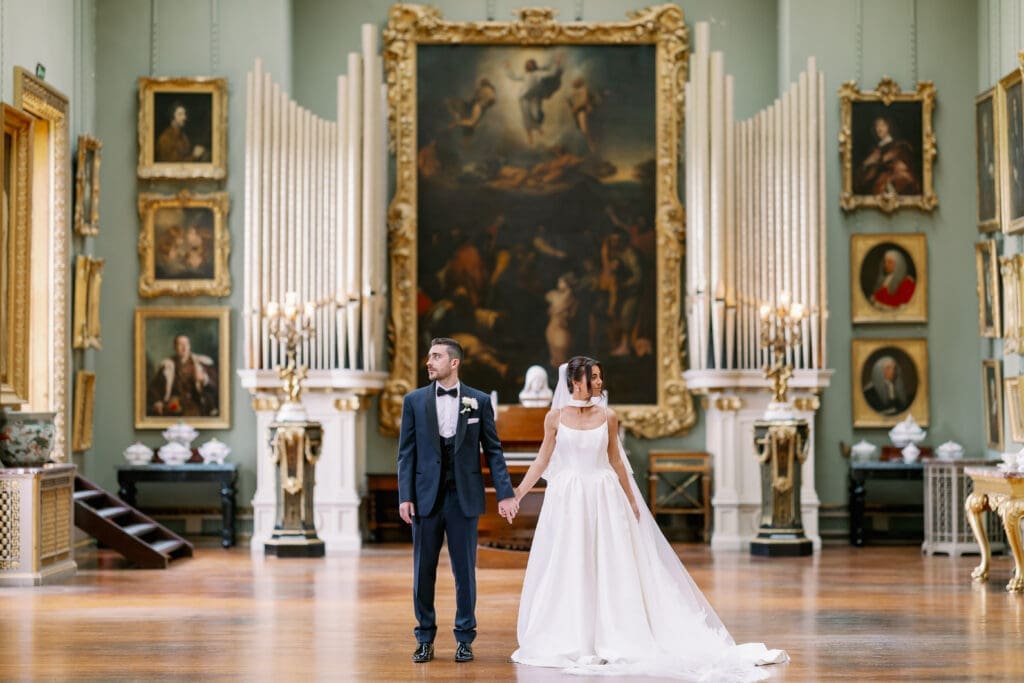
Is documentary style right for you?
It tends to suit couples who:
- Want to look back at photos and remember how the day actually felt, not just how it looked
- Would rather be present in the moment than paused mid-conversation for a photo
- Value genuine emotion over a perfectly symmetrical composition
- Are having a relatively relaxed, unscripted kind of day rather than a tightly choreographed one
It’s less of a fit if a specific, art-directed aesthetic matters more to you than authenticity – if you already have a clear picture in your head of exactly how each portrait should look, an editorial approach will get you closer to that than a documentary one will.
Most couples land somewhere in between, which is exactly why it’s worth asking any photographer you’re considering where they actually sit on that spectrum, rather than taking “documentary style” on their website at face value.
What to look for when reviewing a documentary photographer’s portfolio
A few things worth checking before you book:
- Look for full galleries, not just curated highlight reels. Anyone can pick their best fifteen images. A few full wedding galleries tell you much more about consistency.
- Check for genuine variety of expression. If every photo shows the same three “camera-aware” smiles, that’s a sign of more direction than the photographer’s style suggests.
- Notice the in-between moments. Documentary photographers tend to have strong images of things that weren’t planned – a grandparent laughing, a flower girl mid-fidget, a best man visibly relieved his speech is over. If a portfolio is all formal portraits and posed group shots, the “documentary” label may be more marketing than method.
A day worth remembering honestly
Whatever style you choose, the point of wedding photography is the same: giving you a way back into the day, years from now. Documentary photography just takes the position that the truest version of that day is the one that happened without direction — and that it’s worth trusting your photographer to find it, rather than construct it.
If that’s the kind of record you want of your wedding, I’d love to talk it through with you.
Get in touch to check availability for your date, or have a look through the wedding packages to see what full-day and half-day documentary coverage includes.
What Is Documentary Wedding Photography? A Guide for Couples

meet mae
highlighted categories
meet mae
A considered approach and a calm presence.
I believe the best images are created when couples feel relaxed and truly present. By working quietly and intuitively, I allow moments to unfold naturally, capturing the atmosphere, emotion, and subtle details that define your day.
My work is for couples who value experience over excess, and imagery that feels timeless, honest, and quietly refined.